Laser Cleaning: A Sustainable Alternative to Traditional Methods
Laser Cleaning: The Future of Surface Treatment
Industrial cleaning has traditionally relied on chemical solvents, abrasives, and other hazardous methods. However, laser cleaning is quickly emerging as the go-to sustainable alternative, offering precision, efficiency, and eco-friendliness.
What is Laser Cleaning?
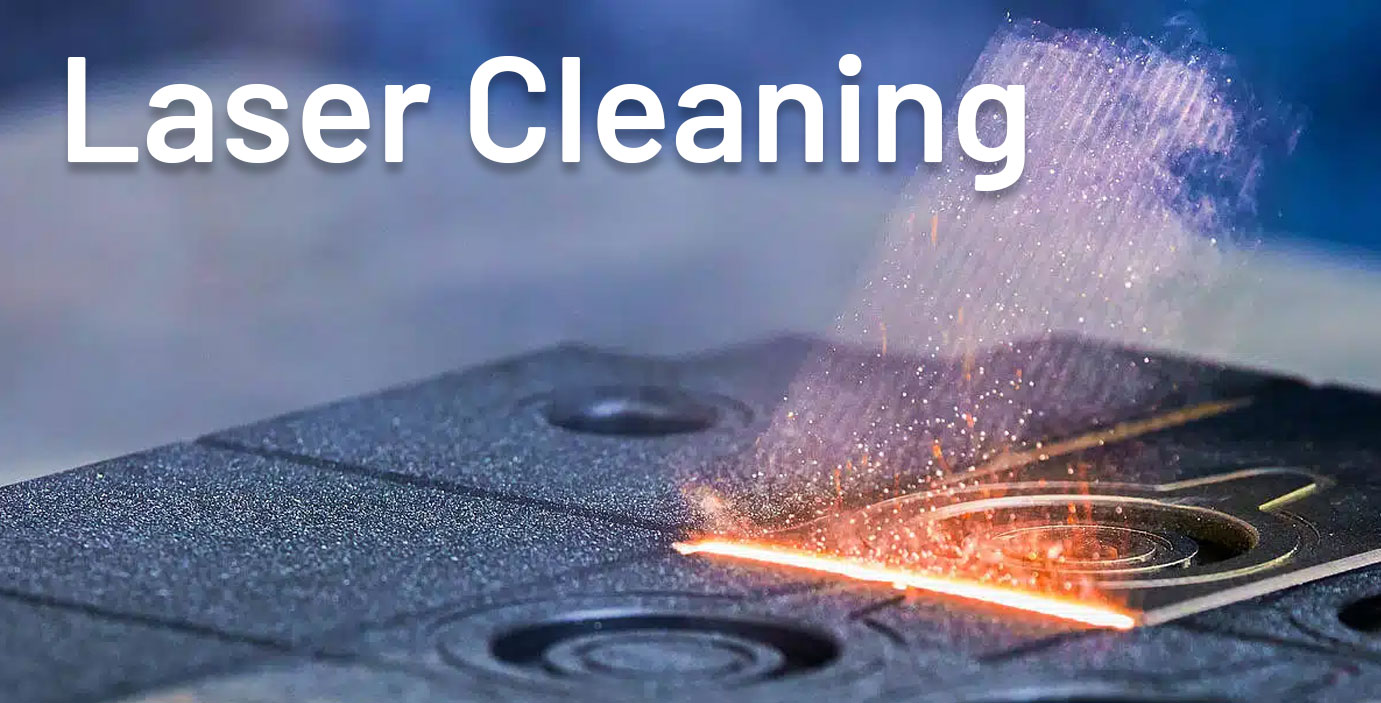
Laser cleaning uses high-intensity laser beams to remove rust, paint, grease, and other contaminants from surfaces without damaging the base material. Unlike sandblasting or chemical cleaning, laser technology is non-contact and residue-free, making it ideal for delicate surfaces and high-precision applications.
Benefits of Laser Cleaning:
- Eco-Friendly: Eliminates the need for chemical solvents and reduces waste.
- Cost-Effective: Lowers operational costs by reducing the need for consumables and maintenance.
- Non-Abrasive: Prevents surface damage, preserving the integrity of materials.
- Safe & Automated: Reduces worker exposure to hazardous substances and allows for precise automation.
Industries Benefiting from Laser Cleaning:
- Automotive: Removes rust and coatings from car components.
- Aerospace: Cleans delicate aircraft parts without damaging surfaces.
- Manufacturing: Prepares metal surfaces for painting and welding.
- Heritage Restoration: Removes dirt and grime from historical structures without erosion.
With companies and industries shifting toward sustainable practices, laser cleaning is paving the way for a greener future while offering superior performance.