Integrating Laser Technologies in Shipbuilding: Case Studies and Outcomes
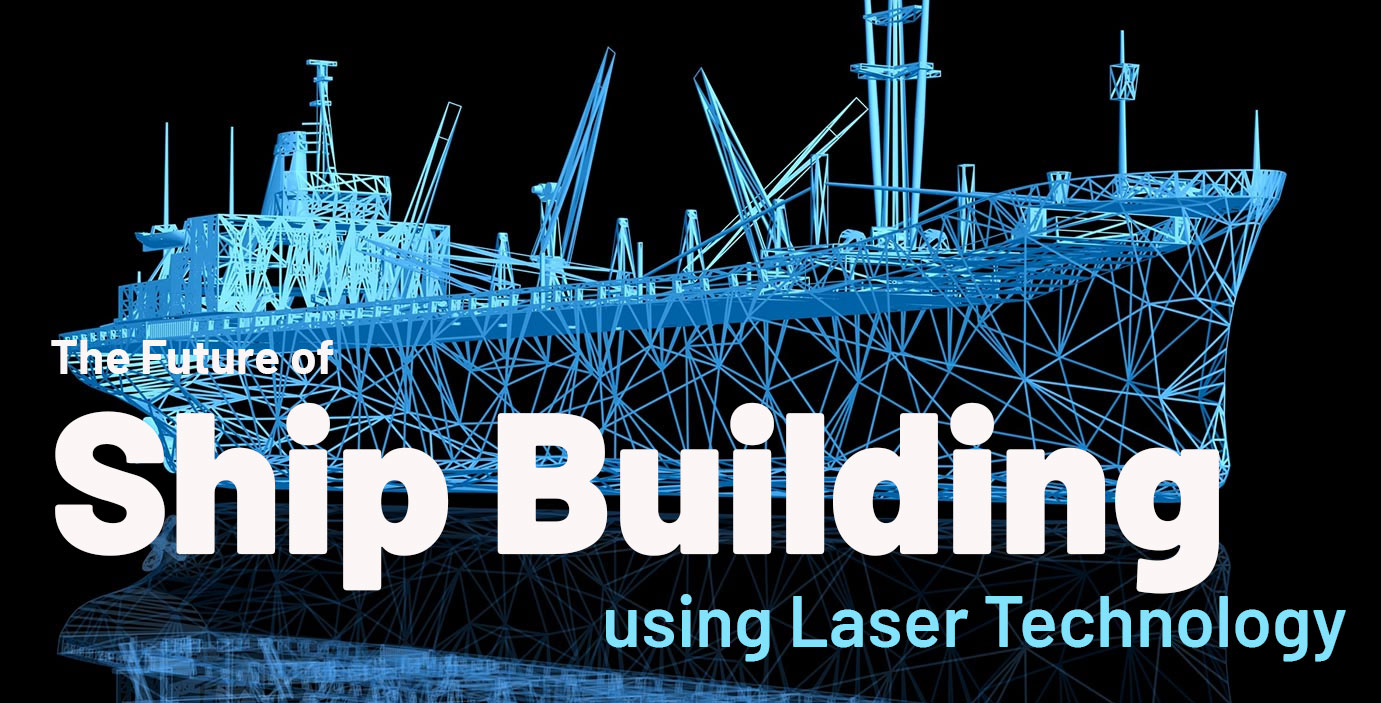
The shipbuilding industry, traditionally reliant on conventional welding and surface treatment methods, is undergoing a significant transformation with the integration of advanced laser technologies. Laser welding and cleaning are emerging as powerful tools, offering unparalleled precision, efficiency, and cost-effectiveness. This blog post explores the application of these technologies in shipbuilding, presenting case studies that highlight their transformative impact.
The Rise of Laser Welding in Shipbuilding
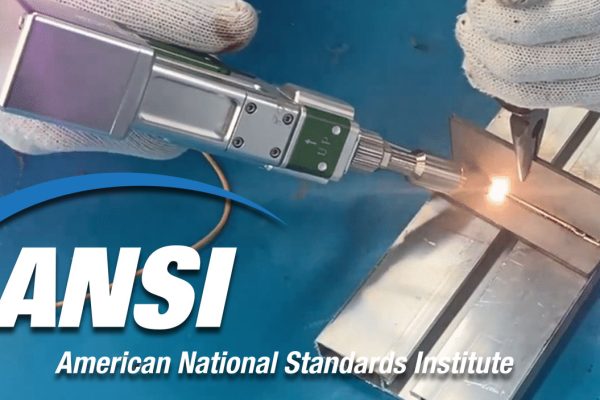
Laser welding, known for its high energy density and minimal heat-affected zone, is revolutionizing how ships are constructed. This technology offers several key advantages:
- Increased Precision: Laser welding enables precise joining of materials, reducing the need for extensive post-weld machining.
- Reduced Distortion: The concentrated heat input minimizes thermal distortion, leading to higher dimensional accuracy.
- Enhanced Speed: Laser welding significantly accelerates production times compared to traditional welding methods.
- Improved Weld Quality: The resulting welds are typically stronger and more durable, enhancing the structural integrity of ships.
Laser Cleaning: A Game-Changer for Maintenance
In addition to welding, laser cleaning is proving invaluable for ship maintenance. This technology uses focused laser beams to remove rust, paint, and other contaminants from ship hulls and components, offering several benefits:
- Environmentally Friendly: Laser cleaning eliminates the need for harsh chemicals and abrasives, reducing environmental impact.
- Precise Cleaning: The ability to precisely control the laser beam allows for targeted cleaning without damaging underlying materials.
- Reduced Downtime: Laser cleaning is faster and more efficient than traditional methods, minimizing ship downtime.
- Improved Surface Preparation: Clean surfaces are essential for effective coatings and repairs, enhancing the longevity of ship structures.
Case Studies: Transforming Shipbuilding with Laser Technologies
- Case Study 1: Laser Welding in Hull Fabrication:
- A major European shipyard implemented laser hybrid welding for joining large hull panels. This resulted in a 30% reduction in welding time and a significant improvement in weld quality. The reduced distortion also minimized the need for rework, leading to substantial cost savings.
- A major European shipyard implemented laser hybrid welding for joining large hull panels. This resulted in a 30% reduction in welding time and a significant improvement in weld quality. The reduced distortion also minimized the need for rework, leading to substantial cost savings.
- Case Study 2: Laser Cleaning for Ship Hull Maintenance:
- A naval fleet adopted laser cleaning for removing marine fouling and rust from ship hulls. This technology significantly reduced the time required for hull maintenance compared to traditional abrasive blasting. The precise cleaning also improved the adhesion of anti-fouling coatings, extending their lifespan.
- Case Study 3: Laser Welding for Interior Compartments:
- Using laser welding to create interior compartments of cruise ships allowed for faster construction, and more precise fits of interior paneling. This reduced the overall time to completion of the vessels, and allowed for more intricate designs.
Outcomes and Future Trends
The integration of laser technologies in shipbuilding has yielded significant outcomes, including:
- Increased efficiency and productivity
- Reduced manufacturing and maintenance costs
- Enhanced structural integrity and durability
- Improved environmental sustainability
As laser technology continues to advance, we can expect to see even wider adoption in shipbuilding. Future trends may include:
- Automation of laser welding and cleaning processes
- Development of advanced laser systems for underwater applications
- Integration of artificial intelligence for real-time process control
Conclusion
Laser welding and cleaning are transforming the shipbuilding industry, offering a pathway to greater efficiency, quality, and sustainability. By embracing these innovative technologies, shipbuilders can enhance their competitiveness and navigate the challenges of the modern maritime landscape.